Maximising Sheep Productivity: How to Get the Best from Your Flock

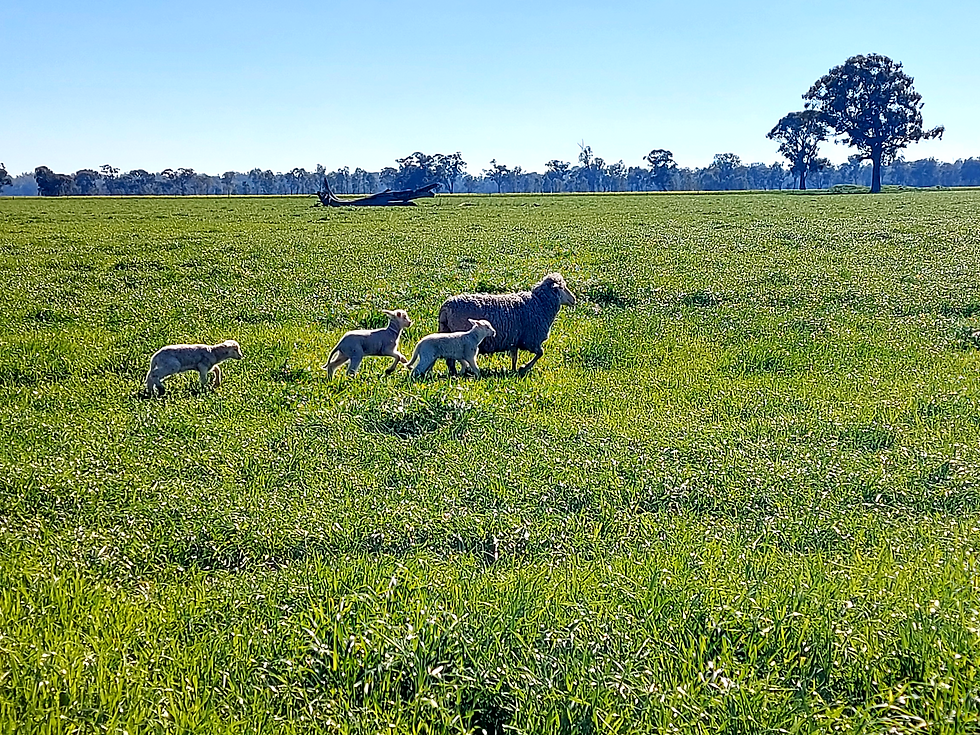
Running a sheep enterprise is a juggling act. Between the long hours, unpredictable weather, and the never-ending to-do list, it can feel like there’s never enough time to get ahead. For many producers, the goal is simple — to run productive, profitable sheep without adding more work to the load. But that’s often easier said than done.
Understanding What’s Holding Productivity Back
Many flocks fall short of their potential because of slow-growing lambs, inconsistent fertility, or high-maintenance sheep that chew up time and labour. These issues don’t just affect daily efficiency — they have a real impact on the bottom line. Each extra week a lamb stays in the paddock adds costs in feed, management, and time. And when fertility rates drop or ewes need constant hands-on attention, it’s hard to stay profitable, let alone enjoy the lifestyle you’re working for.
The Role of Genetics in Productivity
It’s easy to look for short-term fixes — tweaking feed, changing drench schedules, or adjusting stocking rates — but long-term productivity often comes down to one thing: genetics. Rams contribute half the genetics to every lamb they sire, which means the quality of your sires determines the quality of your entire flock.
Selecting the right Merino rams isn’t just about looks or price; it’s about choosing reliable, data-driven genetics that deliver results. Dual-purpose Merino genetics with proven fertility and growth traits can dramatically lift flock performance. Faster-growing lambs reach market weight sooner, freeing up feed and space. Easy-care traits reduce labour, while fine micron wool adds extra income without extra work.
At Mulana Poll Merino, we’ve seen firsthand how the right rams help commercial producers work smarter, not harder. Our breeding focus is on highly fertile, quick-growing sheep that combine meat and wool value in one balanced package. That’s what makes our bloodlines truly dual purpose — they’re built to perform across all conditions while making life simpler for the people running them.
Practical Steps to Lift Productivity
Start by assessing where your flock’s strengths and weaknesses lie. Are lambs taking too long to reach target weights? Are ewes consistently missing conception targets? Once you know where the gaps are, genetics can be part of the solution.
Set clear breeding goals. Identify the traits that matter most to your operation — fertility, growth, wool quality, or labour efficiency.
Choose rams with the data to back it up. Look for ASBVs and proven performance, not just pedigree.
Monitor and review. Track lambing percentages, growth rates, and fleece returns each season to measure improvement.
The Payoff
When lambs grow faster and require less handling, you save time, feed, and stress — and those savings quickly translate into profit. High-fertility genetics mean more lambs on the ground and greater returns per ewe. And when your flock is easier to manage, you gain more freedom to focus on the bigger picture of your business.
So, as you plan your next breeding season, ask yourself: Are your rams helping your flock reach its full potential — or holding it back?


